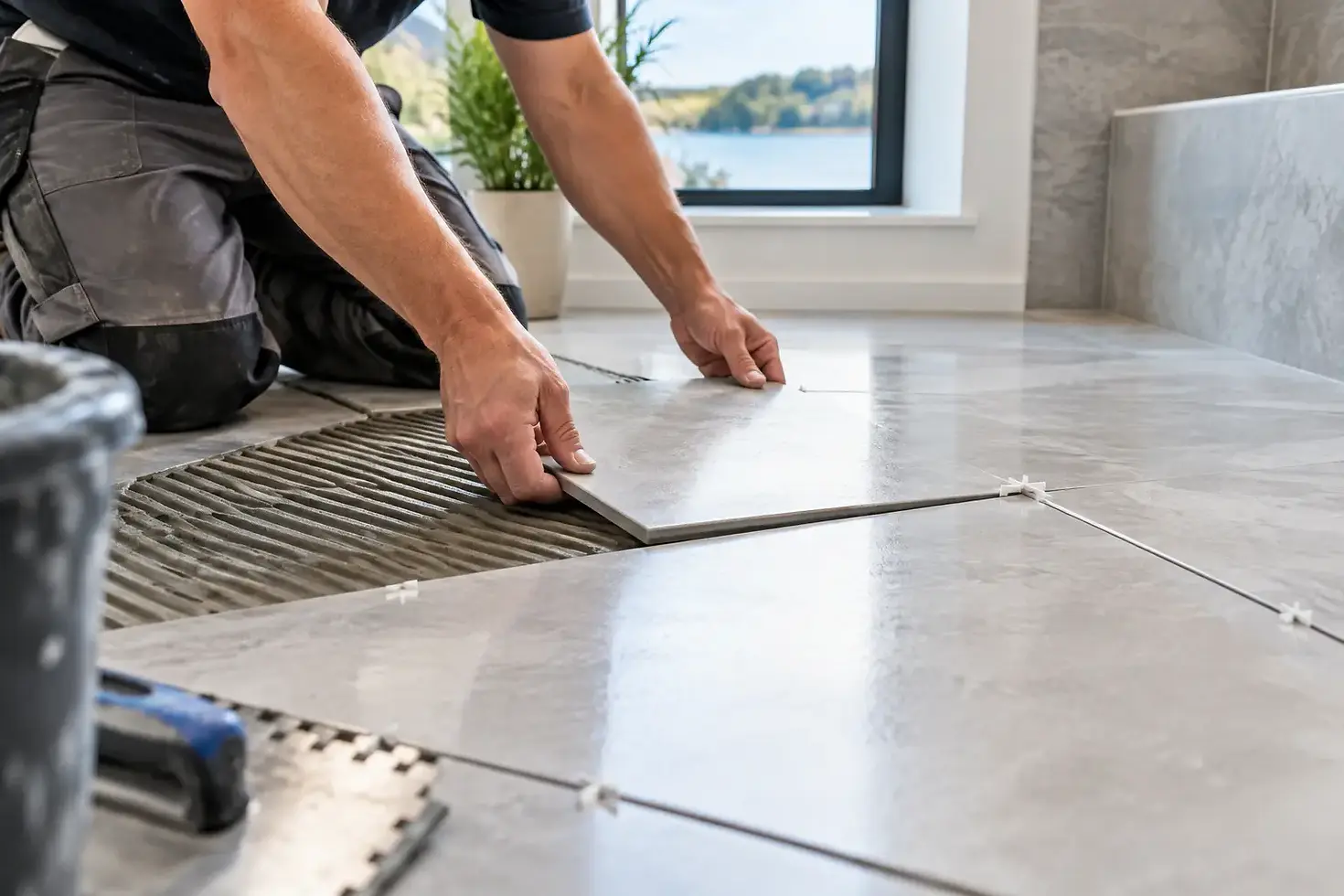
Rowlett Tile Installation Services That Last
A tile floor can look perfect in the showroom and still fail early if the surface below it is not prepared correctly. That is why Rowlett tile installation services should begin with more than picking a color or measuring a room. The right process accounts for how your home is built, how the room is used, and what the existing floor reveals once it is removed.
For a busy kitchen, bathroom, entryway, or laundry room, tile offers a clean, durable finish that stands up well to moisture, pets, and daily traffic. But tile is not forgiving of shortcuts. A qualified installer evaluates the subfloor, plans the layout, chooses appropriate setting materials, and finishes the details that make the entire project feel complete.
Start With How the Room Will Be Used
The best tile for one room is not always the best choice for another. A polished porcelain tile may bring a bright, refined look to a powder room, while a textured porcelain or ceramic tile can provide better traction in an entry or a bathroom that sees frequent wet feet. Families with kids and pets often prefer tile with a subtle pattern, color variation, or grout that will not show every splash and speck of dirt.
Porcelain is a popular choice for high-traffic areas because it is dense, durable, and generally absorbs very little moisture. Ceramic tile can be a practical, attractive option for lower-impact areas and projects with a tighter budget. Natural stone brings distinctive character, but it may require more maintenance and sealing. Large-format tile creates a modern, open look with fewer grout lines, although it requires a flatter surface and careful installation to avoid uneven edges.
The right answer depends on the room, your maintenance preferences, and the look you want to live with for years. A sample viewed in your home is often more useful than one viewed under showroom lighting. Natural light, cabinet colors, wall paint, and the flooring in nearby rooms can all change how a tile color reads.
What Quality Rowlett Tile Installation Services Include
Tile installation is a system, not just a surface material. The visible tile gets the attention, but the preparation underneath determines whether the floor stays secure and level. Before installation begins, a professional crew should inspect the existing floor and identify concerns such as uneven areas, weak subfloor sections, old adhesive, moisture issues, or transitions that may affect adjoining rooms.
A proper installation plan may include removing existing flooring, cleaning and leveling the substrate, installing an approved underlayment or membrane when needed, and selecting the right mortar and grout for the material and location. In wet areas, waterproofing is especially important. A bathroom floor or shower surround needs protection behind and beneath the tile, not simply grout on the surface.
Layout also matters more than many homeowners expect. Skilled installers do not start setting tile against a wall and hope the cuts work out at the end. They establish reference lines, consider focal points, account for doorways and cabinets, and aim to avoid narrow, awkward cuts where they will be most visible. This planning is what helps a tile floor look balanced rather than pieced together.
Grout selection is another practical decision. Lighter grout can create a crisp, continuous look but may need more frequent cleaning in active spaces. A medium or darker tone is often easier to maintain around entrances, kitchen floors, and family bathrooms. The width of the grout joint should suit the tile style and any variation in tile size. Good guidance upfront prevents small choices from becoming daily frustrations later.
The Subfloor Is the Part You Cannot Ignore
Tile is hard and stable, which is exactly why it needs a solid, stable base. Movement below the tile can lead to cracked grout, loose tiles, or fractures across the finished surface. Wood subfloors may need reinforcement or an uncoupling membrane, while concrete slabs may require leveling or attention to cracks before tile is installed.
Large-format tiles make surface flatness even more critical. When the floor is not prepared to the manufacturer’s requirements, neighboring tile edges can sit at different heights, a condition often called lippage. It affects both appearance and comfort underfoot. Correcting the surface before installation takes time, but it is less costly and disruptive than correcting a finished floor later.
This is also where an in-home estimate has real value. Measurements alone cannot reveal every condition. Seeing the space allows the installer to assess transitions, floor height, access, furniture movement, and the scope of removal and preparation work. You receive a more useful quote when the project is evaluated in person instead of treated as a one-size-fits-all job.
Plan for the Details Around the Tile
Most homeowners focus on the main field of tile, but the edges and transitions are where a finished job earns its quality. Tile may meet carpet, luxury vinyl, hardwood, cabinetry, baseboards, tubs, or door casings. Each connection needs a plan that protects the edge, allows for appropriate movement, and avoids a trip hazard.
In a kitchen, appliance clearance should be considered before raising a floor with new tile and underlayment. In a bathroom, installers need to account for the toilet flange, vanity location, and how tile meets the tub or shower. In an entryway, the transition into the next room should look intentional rather than abrupt.
Before installation day, clear an area for materials, remove fragile items, and make arrangements for pets. If furniture must be moved, confirm that scope during the estimate so there are no surprises. Homeowners should also expect some dust and noise during removal and prep work, particularly when old flooring or thinset must come out. A professional crew will protect the work area, communicate the schedule, and explain what access is needed.
Fast Turnaround Still Needs the Right Preparation
Speed matters when a renovation is holding up a move, a repair, or a return to normal after water damage. It also matters when a household cannot have a kitchen or bathroom out of service for longer than necessary. Fast Flooring DFW is built around practical scheduling, including its Buy Today, Install Tomorrow approach when product availability and project conditions allow.
Still, fast should never mean rushed. Some projects need additional preparation, drying time, waterproofing steps, or material lead time. A straightforward tile replacement in an open room may move quickly. A project involving significant leveling, a damaged subfloor, or a full bathroom renovation may need more time. Clear communication about those differences helps you make realistic plans from the start.
If tile replacement is connected to an insurance claim, prompt documentation and an organized estimate can help keep the project moving. Payment options can also make it easier to start necessary work without putting off a repair that could create larger problems. The goal is not to pressure a decision. It is to give you a clear path from damage or outdated flooring to a finished, usable room.
Questions Worth Asking Before You Approve the Work
A good tile contractor should welcome practical questions. Ask what surface preparation is included, whether an underlayment or waterproofing system is recommended, and how the crew will handle transitions and baseboards. Confirm who is responsible for moving appliances or fixtures if that applies to your project.
It is also smart to ask about the tile itself. Does the selected tile work for floors, or is it rated only for walls? Is it appropriate for a shower or exterior exposure? How much extra material should be ordered for cuts, pattern matching, and future repairs? Tile lots can vary, so keeping a few extra pieces after the project is complete is often a wise move.
Finally, ask about workmanship coverage and the final review process. Fast Flooring DFW provides a two-year labor warranty on flooring and carpeting installation, and a final walk-through with the customer and a supervisor helps ensure the job meets expectations before the crew wraps up. That final conversation is the right time to review care recommendations, point out questions, and make sure the finished space is ready for daily life.
A well-installed tile floor should make a room easier to use, easier to clean, and easier to enjoy. Choose the tile you like, but give equal attention to the preparation, layout, and people installing it. Those are the decisions that help your new floor keep looking right long after installation day.


Comments